
Why the Best Salesperson on Your Team Might Be Your PR Strategy

Sales and PR are often treated as two very different functions within a company, but I’ve always believed they have far more in common than most organizations realize. Sales teams are trying to build relationships and earn trust at exactly the right moment. PR is helping create the familiarity and credibility that can make those conversations easier before they ever happen. A prospect may encounter your company through an article, a LinkedIn strategy, an executive interview, or a Google search months before someone from business development reaches out.
That matters because very few sales conversations truly begin with the first sales call. By then, a prospect may already have an impression of your company and the people behind it. A strong communications presence gives them reasons to recognize your name, understand your expertise, and feel confident that your company has momentum. A quiet presence leaves much of that work for the salesperson to accomplish on their own.
I’ve seen firsthand what happens when PR and sales begin working toward the same goal. Media coverage becomes something that business development can easily share with prospects. Thought leadership keeps executives visible between conversations. Consistent content can even bring an old relationship back to life years later.
In all of these areas, PR may rarely get credit for closing the deal, but it can do an incredible amount of work to make that deal easier to close.

PR Builds Trust Before the First Meeting
Put yourself in the buyer’s position for a moment. You’re considering two companies that appear to offer similar services and both tell you they can deliver. One has a fairly quiet presence online. The other regularly appears in respected industry publications, has executives speaking at conferences, and shares useful perspectives that demonstrate what its team knows. You also see evidence of company growth through customer stories and other meaningful milestones. Before speaking with either company, you probably already have a sense of which one feels established and credible.
That is one of the most valuable things PR can do for sales. It builds trust before your salesperson ever enters the conversation.
A media interview, podcast appearance, award, or speaking opportunity gives a prospect another reason to believe your company knows what it is doing. Over time, those moments add up and create a level of familiarity that is difficult to manufacture during a sales presentation.
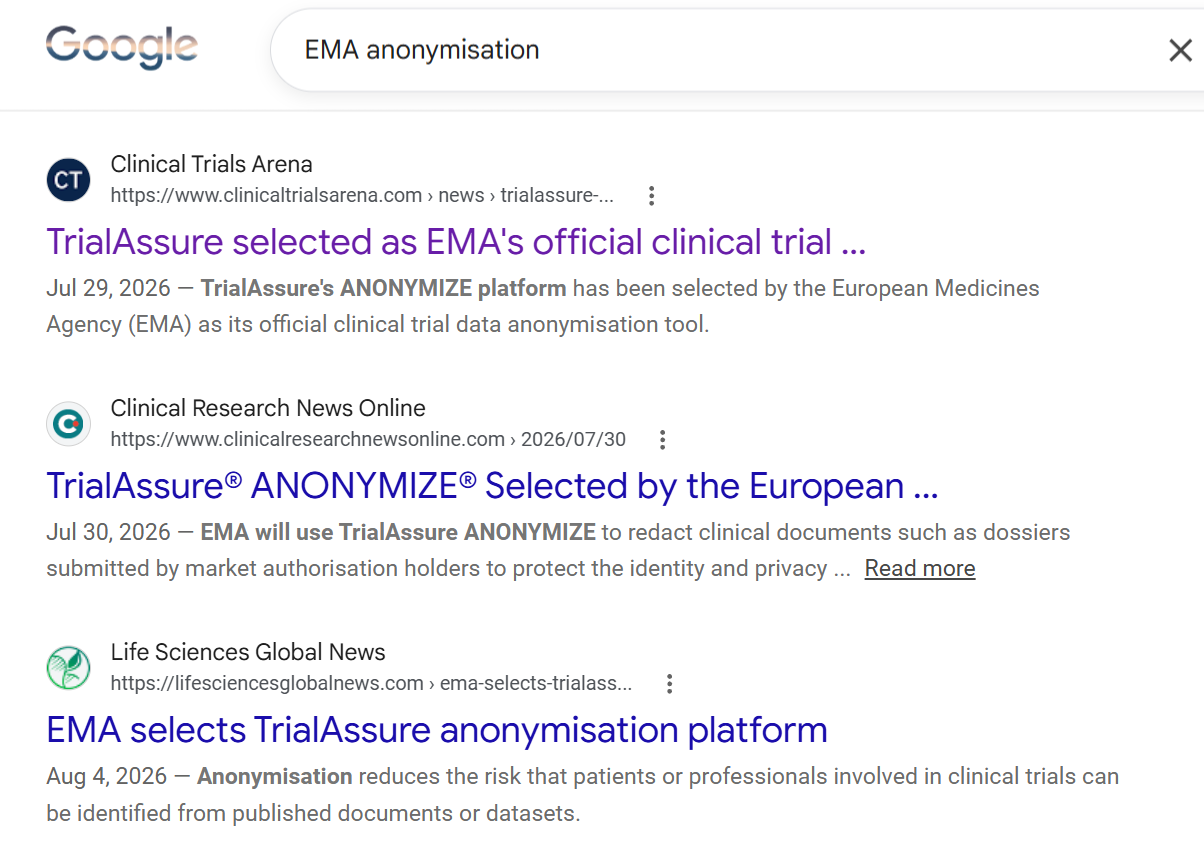
While your website can tell prospects that you are great at what you do, earned media gives someone else the opportunity to reinforce it. That third-party credibility can carry tremendous weight when a buyer is deciding who deserves their time, their trust, and eventually their business. See PR coverage and examples with TrialAssure below with hits from Life Sciences Global News and several others.
Your Sales Team Should Never Have to Introduce You
One of my favorite things to hear from a salesperson is, “They already knew who we were.” This tells me that the communications strategy is doing exactly what it should. Your sales team gets to start the conversation several steps ahead because the prospect already recognizes the company, understands some of its expertise, and has a sense of what makes it relevant.
That familiarity can make a tremendous difference. A prospect who has seen your company mentioned in the media or encountered your leadership on LinkedIn may be much more receptive when an email arrives or a salesperson reaches out at a conference. Instead of spending the first part of the conversation establishing credibility, the sales team can spend that time understanding the prospect and talking about how they can help.
This is why I look at PR as a long-term visibility strategy rather than a collection of headlines. You may have no idea who is reading an article, seeing a LinkedIn post, or following your company’s progress today. Six months later, that same person could be sitting across the table from your sales team.
Stay with me.
PR Gives Sales Better Tools
Think about what happens after a good sales call. Your contact goes back to their team and starts talking about your company. They may need to explain why they liked what they heard, answer questions from colleagues, or build internal support for moving forward. A capabilities deck certainly helps, but PR gives them something else to bring into that conversation.
Your sales team can follow up with credible, useful content like:
- A recent media interview that demonstrates expertise (See an example in this manufacturing interview series with Authority Magazine featuring SW North America, Inc. and its General Manager Andrew Rowley.
- An article written by your CEO or another company leader
- Coverage of an important customer or company milestone
- Industry commentary featuring one of your subject matter experts (SMEs)
- Recognition from a respected awards program
These become sales tools. A salesperson can include them in a follow-up email, share them when reconnecting with a prospect, or use them to give a potential customer another reason to keep the conversation moving. They also give your internal champion something credible to share with other decision-makers.
The best part is that these assets tell your story through voices beyond your own sales and marketing teams. When a media outlet covers your company or seeks out your expertise, it adds another layer of credibility to the story your salesperson is already telling.
Visibility Creates Opportunities You Can't Predict
Some of the best returns from PR and content are the ones you could never put into a plan at the beginning of the year. One of our clients experienced this after we had been consistently sharing the company’s story on LinkedIn for about 10 months. The content highlighted what the company was working on, its expertise, and the momentum it was building in the media.
Then someone reached out who had not spoken with the company in 10 to 15 years. That person had been seeing the LinkedIn content come through their feed and following the company’s progress from a distance. The consistent visibility reminded them of the relationship and ultimately gave them a reason to reconnect.
That reconnection resulted in more than $2 million in new work.
There was no campaign targeting this particular person and no sales sequence designed to bring them back. Consistent communication simply kept the company visible until an opportunity emerged. That is one of the reasons measuring PR only by clicks, impressions, or immediate leads misses so much of its value. You rarely know who is paying attention, when they will need you, or what might eventually prompt them to reach out.

PR Supports Every Stage of Growth
Sales may be one of the clearest ways to demonstrate the business value of PR, but its impact can reach much further. The same visibility that gets the attention of a potential customer can introduce your company to a future employee, investor, or strategic partner. It can lead to speaking invitations and media requests. It can also put your organization on the radar for awards and other opportunities that build credibility over time.
That creates a multiplier effect. One strong story can become media coverage, LinkedIn content, material for a sales conversation, and something that employees are proud to share. An executive interview can reach a prospective customer today and influence a potential hire months later that make have not considered your organization otherwise.
Basically, know that the original investment keeps working long after something is published.
Sales and PR Belong at the Same Table
Some of the strongest PR ideas I have seen started with something a salesperson heard during a customer conversation. Sales and business development teams have an incredible amount of intelligence about the market. They know what prospects are asking, where confusion exists, what competitors are saying, and which issues repeatedly come up during the sales process. PR teams should have access to that information.
Those conversations can become the foundation for earned media pitches and thought leadership. If prospects keep asking the same question, there is a good chance other people in the industry are thinking about it too. That question might become an article, an executive LinkedIn post, or an opportunity to offer an expert to the media. Suddenly, something that began in a sales conversation becomes content that can reach thousands.
The relationship should work in both directions. PR should regularly give sales new coverage and content they can use. Sales should keep PR informed about what it is hearing in the market. Marketing can help amplify the strongest ideas across company channels. When those teams communicate regularly, PR becomes closely connected to the conversations that ultimately drive growth.
Sales still has to build the relationship and close the deal. PR can make the path to that conversation considerably easier.
If you want to know how closely your PR and sales efforts are working together today, start with this checklist below.

The PR and Sales Alignment Checklist
- Does your PR team know the questions prospects are asking your sales team?
- Does sales regularly receive new media coverage and thought leadership to share with prospects?
- Are your executives consistently visible in the publications and conversations your customers follow?
- Are customer wins and company milestones being evaluated for potential PR opportunities?
- Are you turning common sales questions into articles, media pitches, and LinkedIn content?
- Can a prospect quickly understand your expertise after searching for your company online?
- Does your sales team know about upcoming awards, speaking opportunities, and media appearances?
- Are PR results being discussed alongside broader business and growth goals?
- Are sales and PR meeting regularly enough to exchange ideas and market intelligence?
- Most importantly, when your sales team reaches out to someone new, is there a good chance that person already knows your name?
If you can answer “yes” to most of these questions, PR is probably doing far more than generating awareness. It is helping create an environment where sales opportunities have a better chance to happen.
If the answer is, “no.” Email any questions on this article to mclean.donald@gmail.com or learn more about how our team can help support this vision at www.mcleanmedia.com.

Our Latest
blogs & news

McLean Media founder and president Don F. McLean will speak at Service World Expo 2026 in Las Vegas on November 10. His session will cover how business owners can use LinkedIn to build executive credibility, strengthen their company’s reputation, and support long-term growth and exit planning.

McLean Media President and Founder Don F. McLean, MBA, has been named one of Michigan’s Most Inspiring Leaders by Corp! Magazine, recognizing his leadership, entrepreneurship and impact across Michigan’s business and communications communities.

McLean Media has been selected as agency of record for OpenRoad Insurance, expanding the agency’s specialty insurance portfolio and expertise in the collector car market.
Have a Project in Mind?
we’re ready to start today
Great results have the ability to positively change the course of companies and careers. Are you in?

© 2025 McLean Media. All rights reserved.
© 2025 McLean Media. All rights reserved.